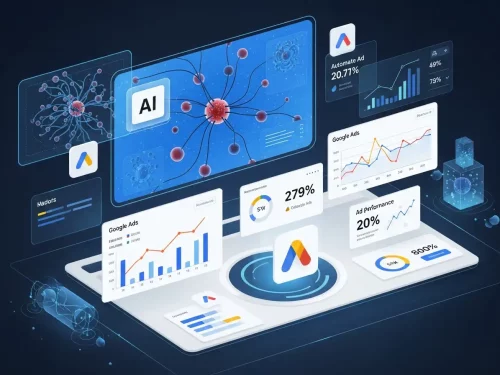
Why PPC Optimization Breaks at Agencies and White-Label Fixes
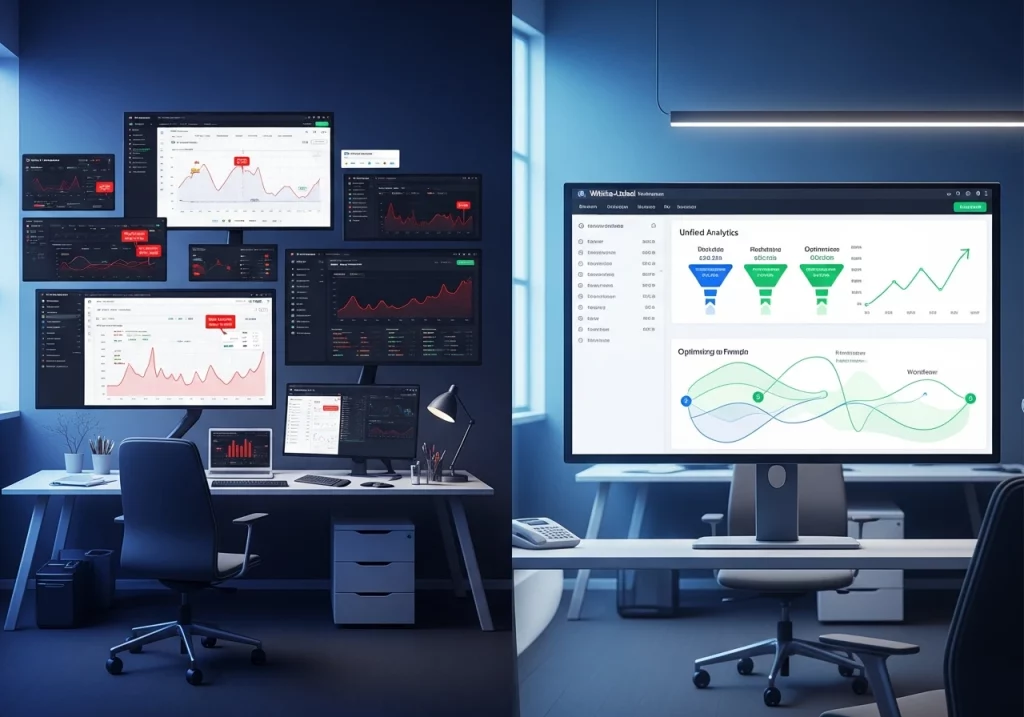
Concise Summary: PPC performance is no longer limited by platforms or tools. It breaks because most agencies are structured for generalist execution in a system that now rewards deep specialization, clean data, and continuous optimization. White-label PPC experts fix this by acting as a specialized delivery layer that restores performance, consistency, and scalability.
PPC Is Not Broken. Agency Delivery Models Are
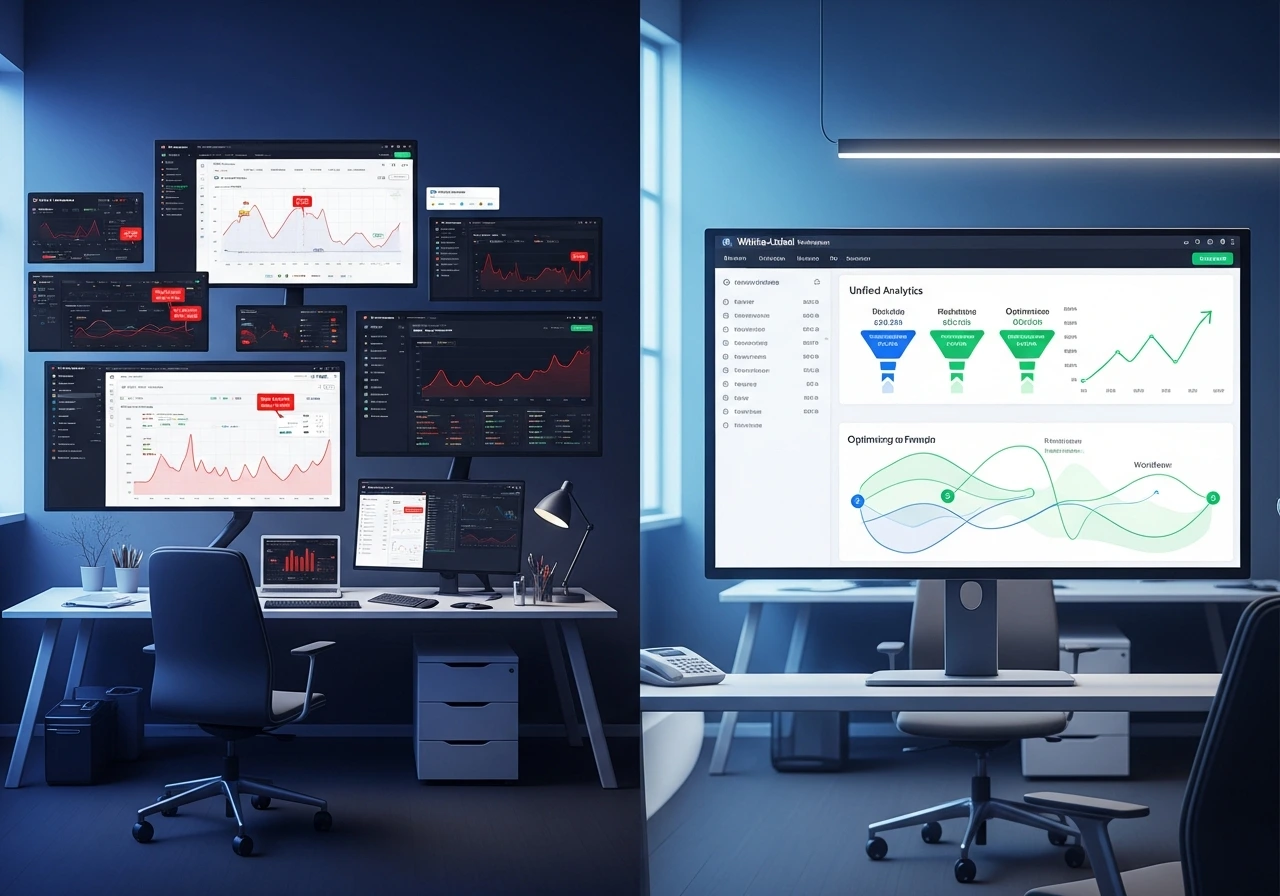
In 2026, PPC optimization looks nothing like it did even a few years ago. Success is no longer about choosing the right keywords or adjusting bids once a week. Today’s platforms run on machine learning systems that depend on signal quality, data feedback, and constant refinement.
Most agencies struggle not because they lack effort or intent, but because their delivery models were never designed for this level of complexity. As platforms evolved, agency structures did not.
Why PPC Optimization Has Become So Hard for Agencies
PPC has evolved faster than most agency operating models. What once worked with manual control and periodic adjustments now requires constant system-level input and strategic oversight.
PPC Has Shifted From Manual Control to AI-Led Systems
Platforms like Google Ads, Meta, LinkedIn, and Amazon now rely heavily on automation. Broad match, Performance Max, smart bidding, and algorithmic targeting dominate modern PPC optimization.
This shift means platforms need guidance, not blind trust. AI optimizes based on the signals it receives. When data is weak or incomplete, AI amplifies inefficiency instead of fixing it.
Most agencies underestimate how much human strategy is still required to guide automated systems effectively.
The “Set and Forget” Trap Is Costly in Modern PPC
Many agencies still rely on weekly or biweekly optimizations. In 2026, that cadence is no longer sufficient.
Search terms evolve daily. Audiences shift rapidly. Creative fatigue happens faster than ever. Without continuous optimization, wasted spend compounds quietly until clients start questioning results.
PPC today demands daily attention, not occasional tuning.
The Real Reasons Agencies Struggle With PPC Optimization

Most PPC struggles are not caused by a lack of talent or effort. They emerge from structural limitations that quietly reduce optimization quality as agencies grow.
Limited Time Per Account Reduces Optimization Depth
A common internal reality is one PPC manager handling too many accounts across multiple platforms. Context switching becomes constant. Optimization becomes surface-level.
Instead of deep analysis, teams focus on keeping campaigns running. Strategy gives way to maintenance. Performance plateaus follow.
This is not a skill issue. It is a bandwidth issue.
The AI Knowledge Gap Inside Agencies
Automation tools are often treated as solutions instead of systems that need training. Agencies enable smart bidding and automated campaigns without understanding how data quality, conversion feedback, and audience signals influence outcomes.
When AI lacks clean signals, it optimizes for volume instead of value. Lead quality drops while metrics appear healthy on paper.
Scaling Breaks Campaign Continuity
PPC performance depends heavily on continuity. When team members leave or accounts are handed off, algorithms often need to relearn patterns.
This relearning phase causes performance dips that clients notice immediately. Agencies rarely account for this hidden cost of turnover.
Why Lead Quality Suffers Even When Metrics Look Good?
Strong surface-level metrics often hide deeper performance issues. Without revenue alignment, PPC campaigns can appear successful while delivering weak business outcomes.
Vanity Metrics Hide Revenue Problems
Clicks, impressions, and even cost per lead can look impressive while actual sales decline. This happens when PPC optimization is disconnected from revenue outcomes.
Without revenue alignment, platforms optimize for the easiest conversions, not the most valuable ones.
Missing CRM and Offline Conversion Signals
Most agencies do not close the loop between sales data and ad platforms. Without CRM feedback or offline conversion imports, AI cannot differentiate high-intent leads from low-quality ones.
As a result, spending increases while lead quality stagnates or worsens.
How White-Label PPC Experts Fix These Problems?

Fixing PPC performance requires more than tactical tweaks. It demands a delivery model built for specialization, continuity, and signal control, which is where white-label PPC experts come in.
Deep Specialization Replaces Generalist Execution
White-label PPC experts are specialists, not generalists. They focus on specific platforms and verticals, often managing millions in ad spend.
This depth allows them to understand platform nuances, bidding behaviors, and optimization levers that generalist teams cannot maintain across multiple channels.
Continuous Optimization Becomes the Standard
White-label PPC teams operate with daily optimization frameworks. Search term pruning, audience refinement, creative testing, and funnel analysis happen continuously, not occasionally.
This consistency is what most internal teams simply do not have the capacity to maintain.
Signal-First PPC Optimization in 2026
Modern PPC success depends on signal control. White-label experts prioritize first-party data, offline conversions, and event quality.
Instead of chasing clicks, they train platform AI to identify high-value users. This shift dramatically improves lead quality and downstream revenue.
Why White-Label PPC Improves Client Trust and Retention
Client trust in PPC is closely tied to stability and clarity. When performance becomes predictable and reporting improves, client relationships strengthen naturally.
Performance Stability Builds Confidence
White-label PPC teams provide continuity. Campaigns are not disrupted by hiring delays or internal turnover. Optimization logic remains consistent over time.
Clients value stability more than experimentation when budgets are at stake.
Revenue-Focused Reporting Changes Conversations
White-label partners often provide structured, revenue-aligned reporting. This shifts conversations away from micromanagement and toward outcomes.
When clients understand performance in business terms, trust increases, and churn decreases.
White-Label PPC vs In-House PPC Teams: A Reality Check
In-house teams come with fixed salaries, onboarding time, and performance risk. Tooling and platform access add further cost.
White-label PPC converts delivery into a variable model. Agencies scale up or down without restructuring teams. Accountability remains intact while overhead stays controlled.
From a delivery standpoint, white-label PPC offers resilience that in-house teams struggle to match.
When White-Label PPC Works Best and When It Does Not
White-label PPC works best for growing agencies, multi-platform service offerings, and performance-sensitive clients.
It fails when agencies lack internal strategy ownership, provide weak briefs, or treat white-label as a shortcut instead of a system.
Successful agencies use white-label PPC as infrastructure, not outsourcing.
A Practical Decision Checklist for Agency Owners
If PPC results plateau despite increased spend, optimization depth is likely suffering.
If internal teams are overloaded or clients are questioning lead quality, the delivery structure needs review.
If hiring slows growth more than it helps, white-label PPC becomes a strategic lever.
Fixing PPC Requires Better Systems, Not Bigger Teams
PPC optimization challenges are no longer tactical problems. They are structural ones. Platforms demand specialization, clean data, and constant refinement.
White-label PPC experts solve this by acting as a specialized backend that restores performance without increasing headcount.
At EvenDigit, we help agencies design white-label PPC delivery models that prioritize signal quality, revenue outcomes, and long-term scalability. Our focus is not just better metrics, but better systems that clients can trust.
When PPC is treated as infrastructure rather than a task, performance stops being fragile and starts becoming predictable.
Some Frequently Asked Questions
How quickly can white-label PPC experts start improving performance?
In most cases, white-label PPC experts can begin within days. Initial improvements often come from fixing signal quality, tightening targeting, and removing wasted spend. Larger gains usually appear once enough clean data feeds back into the ad platforms.
Will switching to white-label PPC disrupt existing campaigns?
No, if handled correctly. White-label experts usually optimize within existing account structures rather than rebuilding everything. This protects learning history while improving performance gradually, which minimizes risk and volatility.
How do agencies stay in control when PPC execution is white-labeled?
Agencies retain control by owning strategy, budgets, approvals, and client communication. White-label teams execute based on defined briefs and performance goals. Control comes from decision rights, not from clicking buttons inside ad accounts.
Is white-label PPC only useful when campaigns are underperforming?
Not at all. Many agencies adopt white-label PPC when performance is stable but growth is limited. White-label experts help scale spend, expand platforms, and maintain optimization depth without stretching internal teams.
What is the biggest mistake agencies make with white-label PPC?
The most common mistake is treating white-label PPC as a short-term fix instead of a long-term delivery system. Without clear goals, QA ownership, and performance expectations, even strong partners will underperform.